Our Clusters
Members of the Mongolian Export Clusters
Discover the key clusters that unite nomadic heritage, natural resources, and sustainable production for global markets.
01Leather Cluster
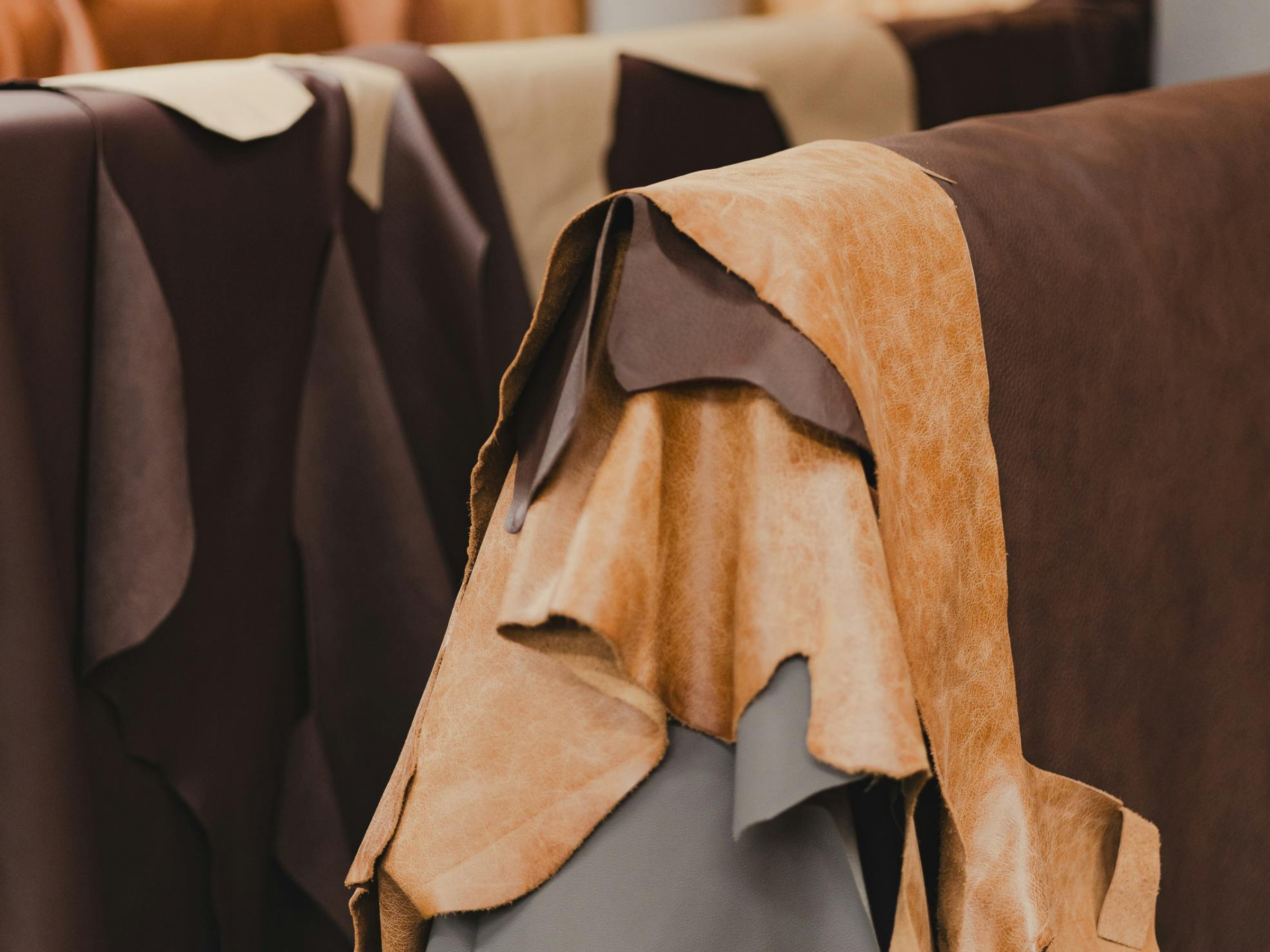
Mongolia, with its vast herds of 80 million animals (out of a population of 3.5 million), has a long tradition of leather tanning and processing. Leather is always a by-product of meat processing, and no animal is killed solely for its hide. Leather tanning is increasingly carried out using vegetable substances and adhering to high environmental standards.
The rare hides of yaks and horses, for example, are used to make practical backpacks and elegant shoes, respectively, while the hides of cattle, goats, and sheep are crafted into exquisite handbags and accessories. The particularly valuable and durable yak leather, in particular, exhibits natural characteristics that make each product a unique, one-of-a-kind piece. Mongolia is the primary supplier for consumers who prefer genuine, natural leather to products made from petroleum-based synthetic leather.
The processors and manufacturers of leather products, like the nomadic cooperatives, are members of the Mongolian Eco-Leather Export Cluster within the National Leather Association. Through the cooperation of all stakeholders and adherence to standards, this ensures transparency and sustainability of supply chains and products.
02Cosmetics Cluster
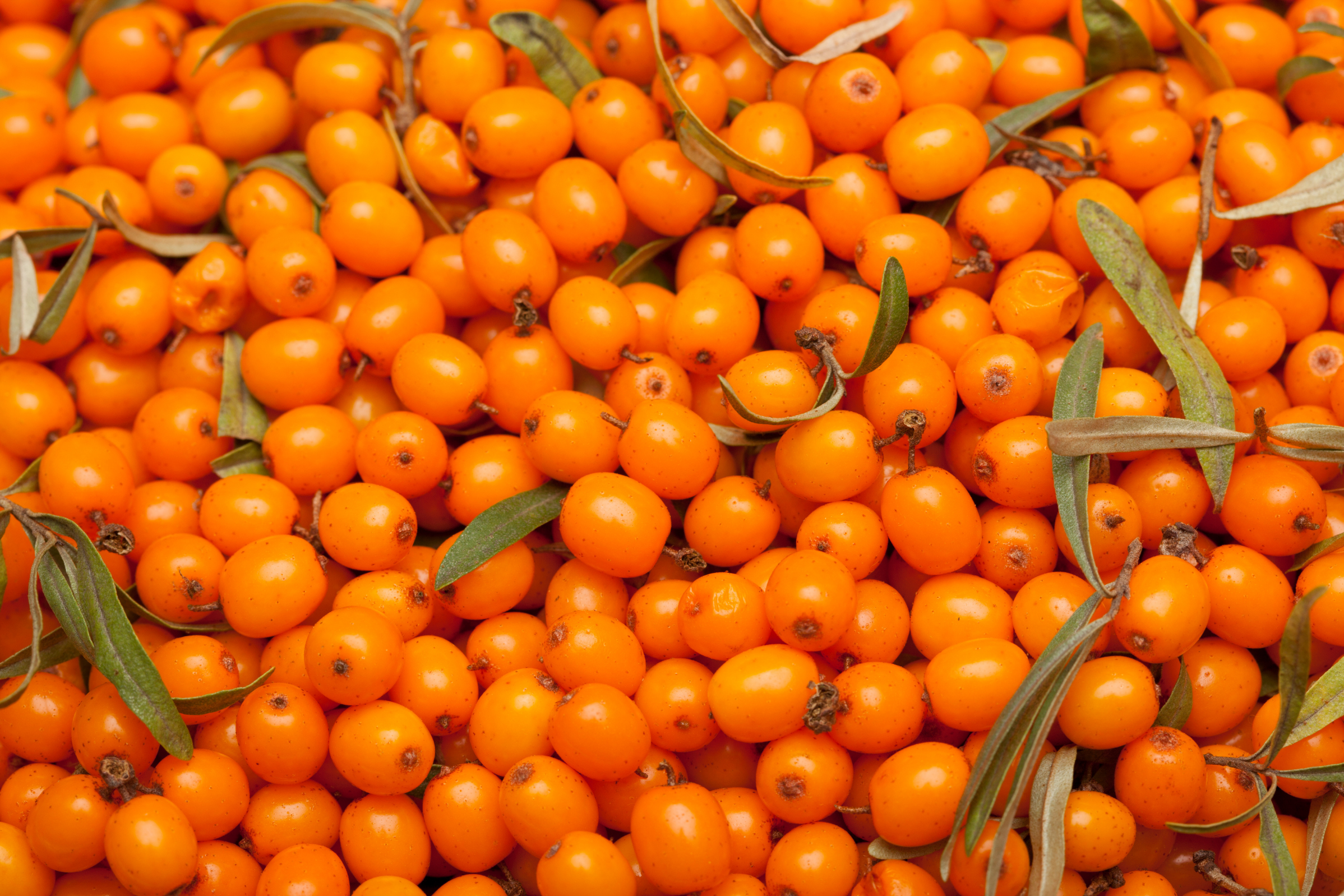
For millennia, nomads have used traditional remedies for personal care and protection against the steppe climate, some of which they derive from the raw materials of their large herds of animals, such as sheep fat, horse oil, and camel milk. These are complemented by valuable plant substances gathered in the steppes and high mountains, such as nettle oil, pine oil, and sea buckthorn oil.
Based on this traditional nomadic and local knowledge, a Mongolian cosmetics industry has emerged in the last 15 years. Predominantly small manufacturers produce virtually unique personal care products for face, hands, skin, and hair using modern methods and adhering to the highest quality standards.
The processors and manufacturers of cosmetic products, predominantly women entrepreneurs, are members of the Mongolian Cosmetics Cluster. Through the collaboration of all stakeholders and adherence to standards, it ensures transparency and sustainability of supply chains and products.
03Eco-Textile Export Cluster – Cashmere

The endless steppes and mountain ranges of Mongolia are home to approximately 40 million cashmere goats, the most important livestock for nomadic herding families. Through the sale of their valuable cashmere, they provide the main source of income that the nomads need to secure their livelihoods.
To withstand the very cold winters, the goats grow cashmere fibers as the finest undercoat. Before these fibers, which are only about 15 micrometers in diameter, fall out naturally in the spring, they are carefully and gently combed out by the nomadic herding families. As the nomads' most prized possession, the families treat their goats with the utmost care and respect.
Mongolia is the world's second-largest producer of raw cashmere, with an annual production of approximately 10,000 tons. Several larger and many smaller companies have years of experience processing the delicate cashmere fibers into high-quality knitwear and woven fabrics.

04Eco-Textile Export Cluster – Cashmere and Wool
Mongolian cashmere differs from other goods on the market through its complete purity, natural origin, highest quality, exquisite designs, and increasingly internationally recognized certification.
The processors and manufacturers of cashmere products, like the nomadic cooperatives, are members of the Mongolian Ecotextile Export Cluster. Through the cooperation of all stakeholders and adherence to standards, it ensures transparency and sustainability of the supply chains and products.
05Baby camel hair
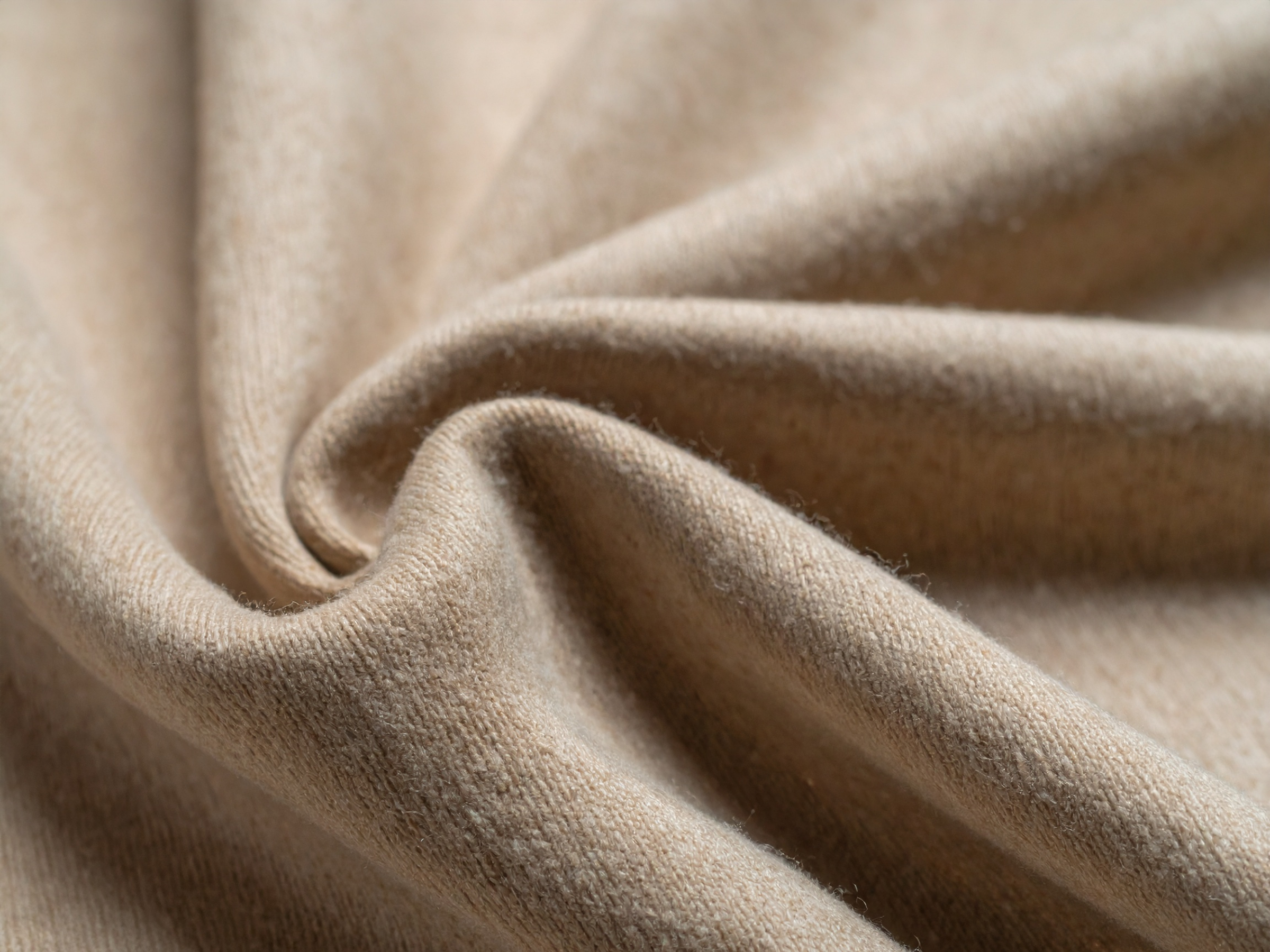
The Gobi Desert is home to approximately 500,000 two-humped Bactrian camels. They graze the sparse grasses there with particular care and also serve the nomads as milk providers and for transportation. Only a few years ago, it was discovered that the combed-out undercoat of one-year-old baby camels, with a diameter of 16 microns, is comparable to goat cashmere in terms of fineness, softness, and insulating properties. During the spring molt, the baby camels are combed by hand by nomadic families using traditional methods that are gentle on the animals, yielding only about two handfuls of hair from each animal, showcasing its natural dark and light beige tones. As one of the rarest animal fibers in the world, environmentally friendly, and of the highest quality, baby camel hair is the ideal alternative to cashmere. Exquisite camel hair coats from renowned brands demonstrate the current popularity of this surprisingly soft animal fiber.
The processors and manufacturers of baby camel hair products, like the nomadic cooperatives, are members of the Mongolian Ecotextile Export Cluster. Through the cooperation of all stakeholders and adherence to standards, this cluster ensures transparency and sustainability of supply chains and products
Photos of baby camel hair